Back pain is an incredibly common musculoskeletal condition causing time off work in the UK (source). We see it a lot at Reflex-18, and it seems to be a condition that just keeps coming back for people. In this post, I am going to share with you 5 of my favourite tips for getting rid of back pain – away from the usual advice of painkillers, gentle walks and stretches (these are all good by the way).
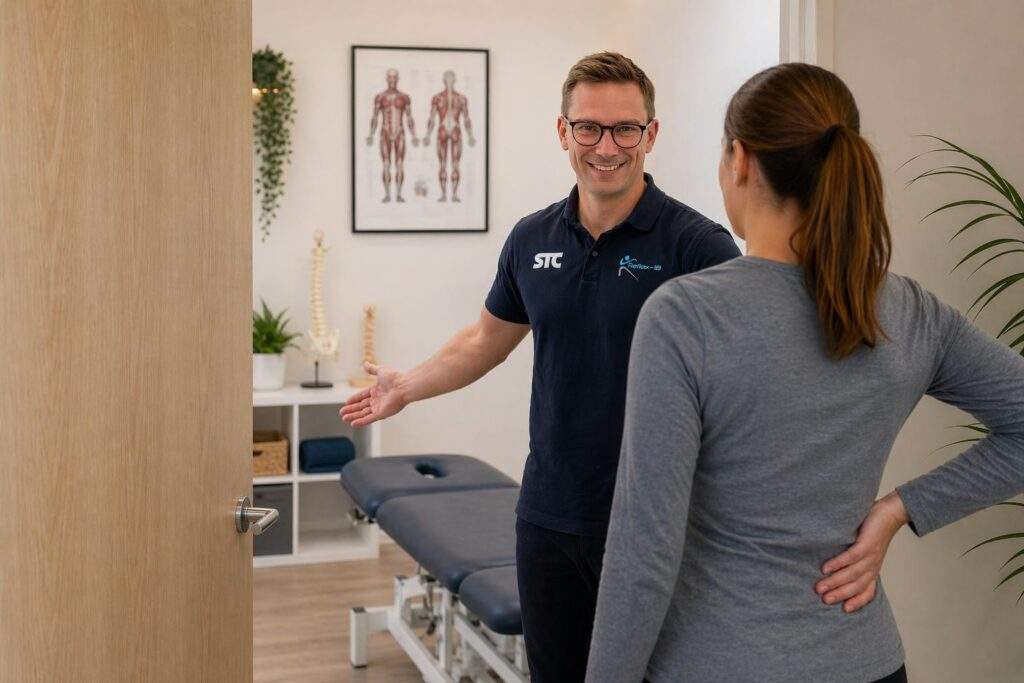
Physiotherapy for back pain
Current NICE guidelines suggest that non invasive treatment for lower back pain should:
- Advice tailored to the needs of the individual
- Consider group exercise classes within the NHS
- Consider manual therapy including mobilisation, manipulation and massage as part of a treatment package
And this in my option is all good advice, but the key here is ‘tailored to the needs of the individual’, and I believe that this is were it gets really difficult, and why healthcare professionals have historically found it difficult to help people with back pain.
And a pre printed exercise sheet handed to you after a 5 minute conversation will be incredibly lucky if it helps you.
General advice for back pain
So in this blog I am going to assume that the advice you have been given (and have followed) involves:
- Taking some pain medication
- Going on short gentle walks through the day
- Doing some mobility exercises daily
And again, I think this is all good advice, and is stuff most people know. I’m not going to suggest I can provide you with a personalised plan from a blog, but what I am going to do is offer you something different to try, and things that have work for hundreds of people that I have treated at Reflex-18 in Colchester.
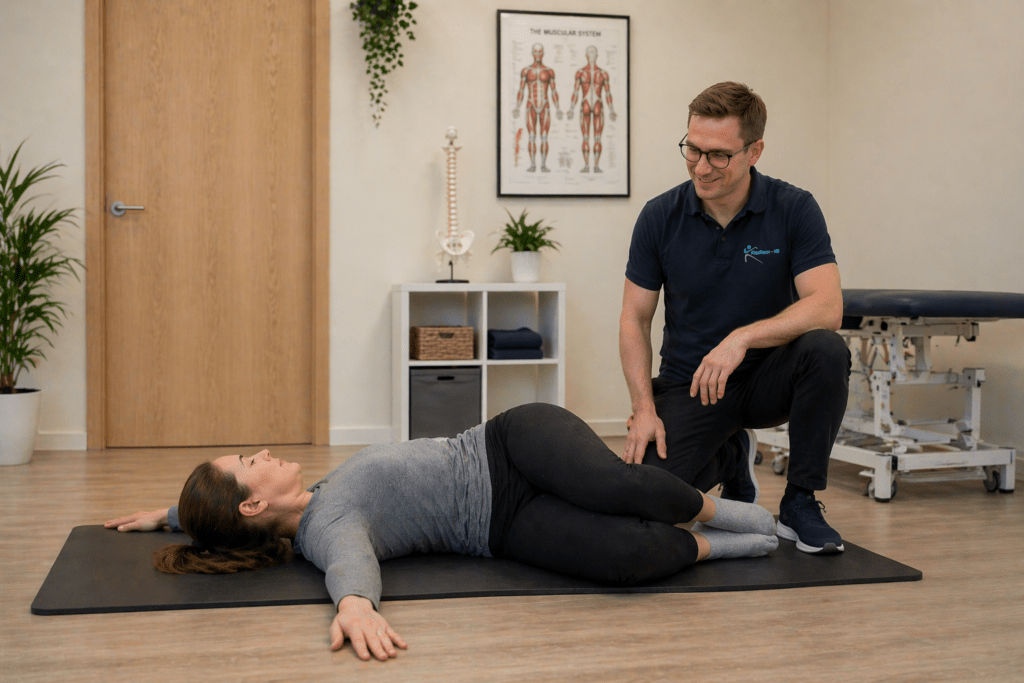
What to check for before trying these tips
With back pain, there are a number of times that I would suggest ALWAYS seeing a clinician, your GP, or any reputable local healthcare professional:
- If you have any symptoms referring into the leg(s)
- If you have pins and needles, tingling or numbness
- If you have noticed a sudden change in your posture
- If you have had a trauma (a fall of been struck by something)
- If you have any alteration in the function of your genitals
If you do not have these things, it’s generally pretty safe to try some bits on your own (although to get a truly personalised program you should see a good physiotherapist or osteopath).
If you just want to get your own personalised plan, you could always come and see one of our physiotherapists who will help you work out a plan.
But here are my 5 tips:
1. Relax your upper back by breathing out deeply
We often hold tension in our upper back – and when we do that, we move less from there. This then means that another part of your body has to do more – often your lower back. When you breath out deeply, your upper back relaxes and bends, so start to work on box breathing first, there’s a video here to show you how you do that.
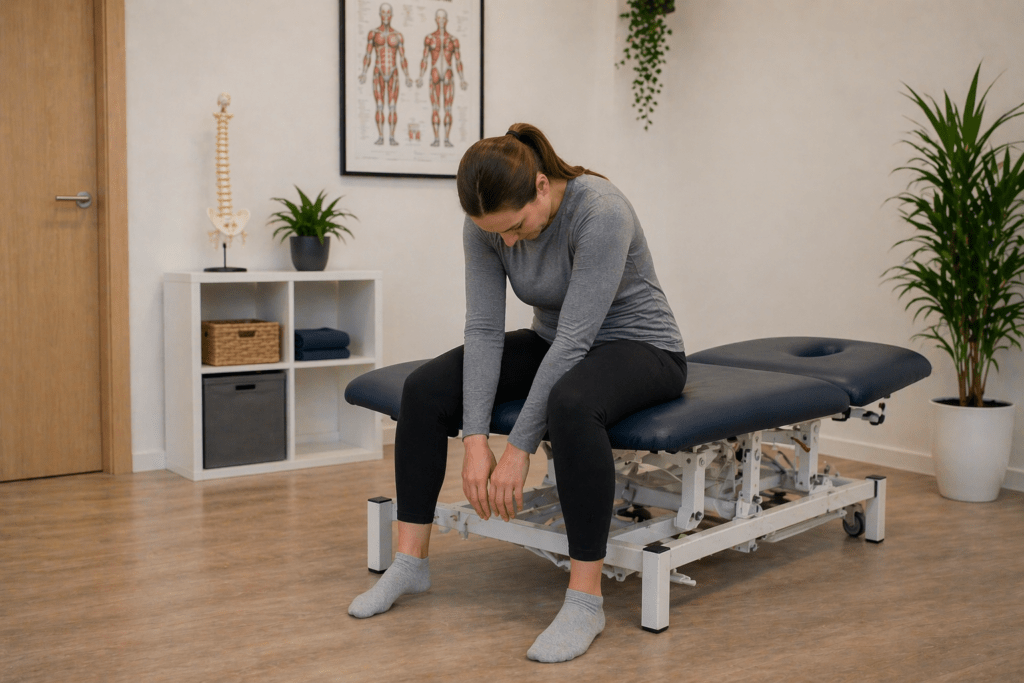
Once pain has eased a bit, then start to breath out as you bend forward, starting in sitting, and working within comfort levels.
2. Try to keep a level of cardiovascular fitness
It may be that you have a lot of pain when walking but actually, cycling is fine, or visa versa. What we know is that people who have greater levels of cardiovascular fitness seem to get better quicker, so trying to maintain a level of cardiovascular fitness by making yourself breathless can be very helpful.
3. Consider other areas you have injured in the past
In line with point 1, if one area of your body is not doing the work it should, then another area of the body has to take over.
So, that old knee injury that kept niggling, or the shoulder that was painful when reaching up to the top cupboard, may have been leading to the back doing too much. We see this a lot with people who have pain when squatting or deadlifting in the gym, and it can be amazing how much someone can benefit when the old injury improves.
4. Explore movement
I’m not a big fan of stretching when someone is having an acute flare up of back pain, my personal experience is that when the nervous system is wound up and on high alert, often, suddenly pulling on the muscles and joints when the nerves receptors are, only makes it more annoyed.
Instead, gentle movements that move into all different planes of movement. Things like moving onto your hands and knees, and gently moving your pelvis in different directions. You will find positions that feel restricted and others that cause a more ‘nasty’ pain. I would suggest working into the restricted directions and being sensitive with pushing into the nasty feeling zones, as you explore, you will probably find the restriction feels less and the nasty zones improve, but do this little and often.
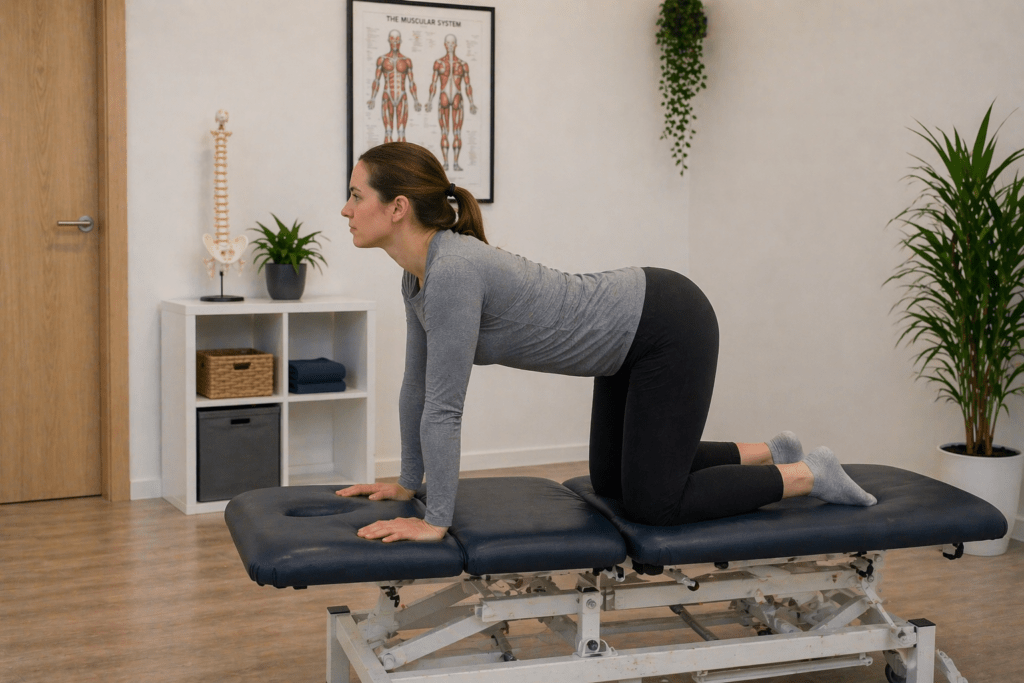
5. Once pain has eased and you are moving better – load it hard
Once the back pain has settled down again, and any old injuries and compensations have been addressed, it’s really important to load it heavy and in different planes of movement. This is when you have ‘earnt the right’ to strengthen the back and make the structures more tolerant. It’s important that this is done ‘in 3d’. Squatting and deadlifting is good, but we don’t move like that in day to day life, so you need to bend with twists and side bends while holding weight to replicate the demands of life and develop confidence in movement.
Conclusion
So that’s it:
Start thinking about your breathing and taking deep breaths out (this is one of my favourite tips and it’s amazing how many people this works for), maintain cardiovascular fitness, explore movement, consider old injuries, and when it gets better load it it all directions while combining movements.
Feel free to send me a message if you have any questions at josh@reflex18.co.uk or find me on instagram at @joshcongdonphysio