
Shoulder pain stopping you doing what you love?
Shoulder pain and injuries in Colchester
Whether your shoulder pain is affecting sleep, training, work or everyday movement, we’ll help you understand what’s going on and build a plan to get you moving again.

SHOULDER PAIN AND INJURIES
Common shoulder problems we help with
You don’t need to know the name of your shoulder problem before you see us. We’ll start by understanding your symptoms, how they’re affecting you and what you want to get back to, then assess what may be contributing to the problem.
- Rotator cuff related pain
- Shoulder impingement symptoms
- Frozen shoulder
- Tendon problems
- Shoulder instability
- AC joint pain
- Post-operative rehabilitation
- Other shoulder problems
Not sure what's causing your pain?
You don’t need to diagnose yourself. Tell us what’s happening and we’ll help you work out the right place to start.
IS SHOULDER PAIN GETTING IN YOUR WAY?
Do any of these sound familiar?
Pain reaching overhead
Pain lifting or pressing
Pain sleeping on your side
Stiffness or loss of movement
MEASURE WHAT MATTERS
Understanding what's limiting your shoulder
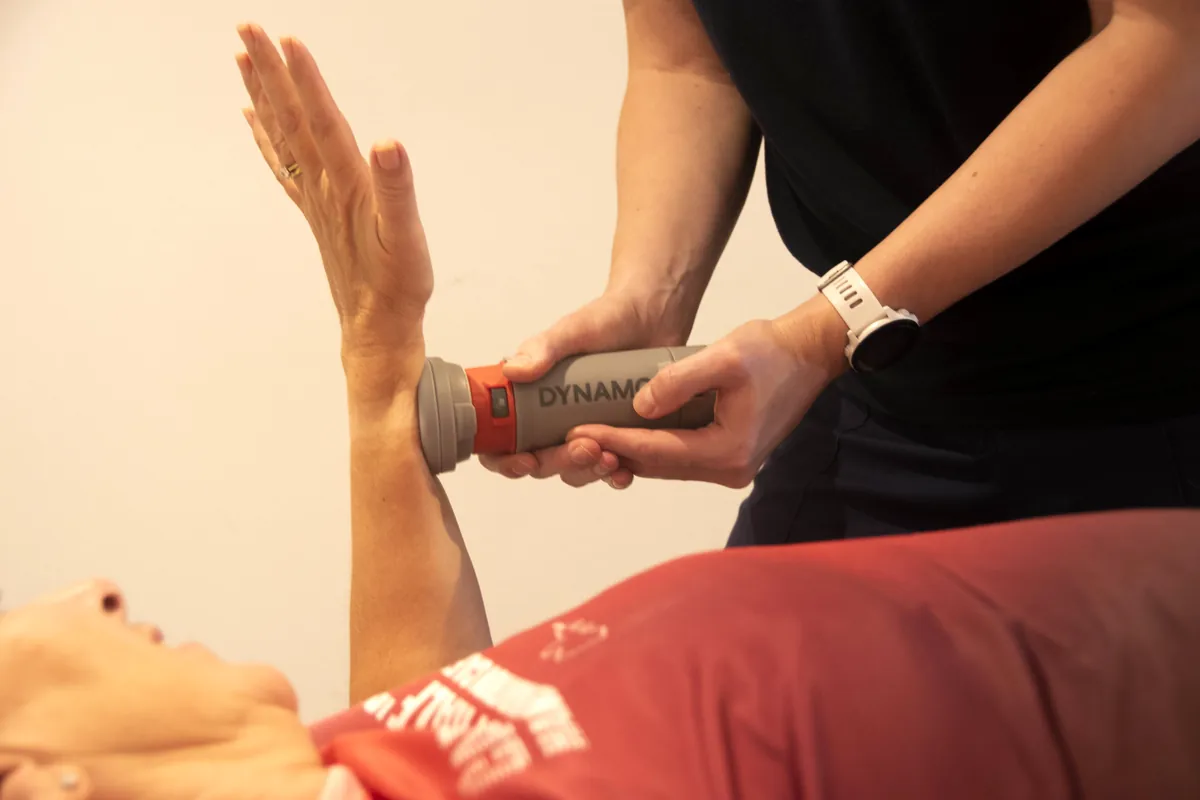
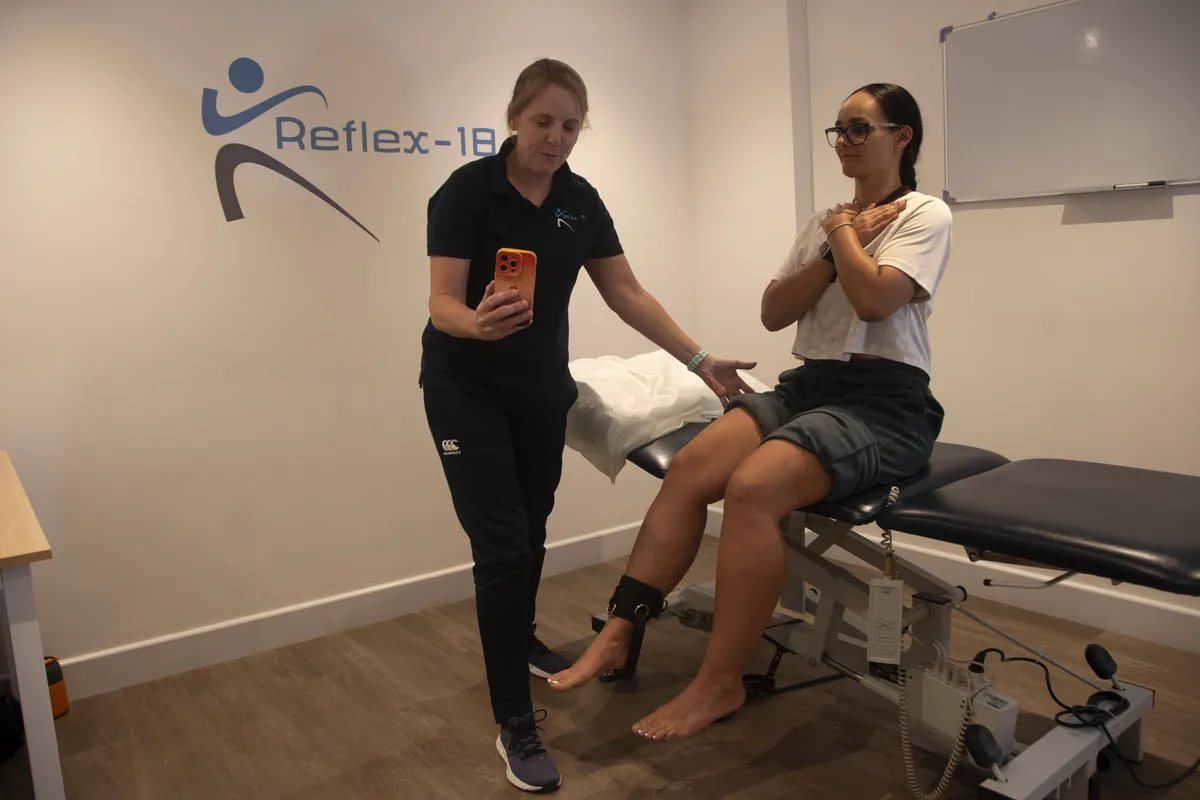
Shoulder pain can be influenced by strength, movement, control and how your shoulder responds to the positions or activities that matter to you. We’ll assess the things that are relevant to your symptoms and goals.
YOUR REHABILITATION
Build your shoulder back for what you want to do.
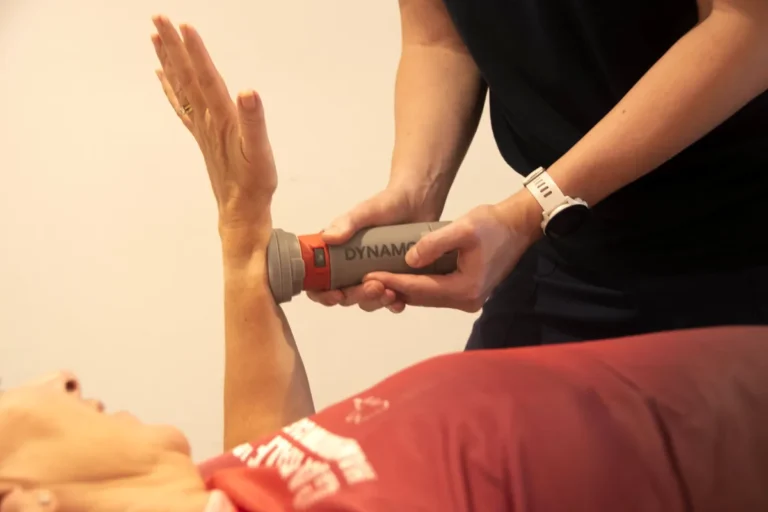
Strength testing
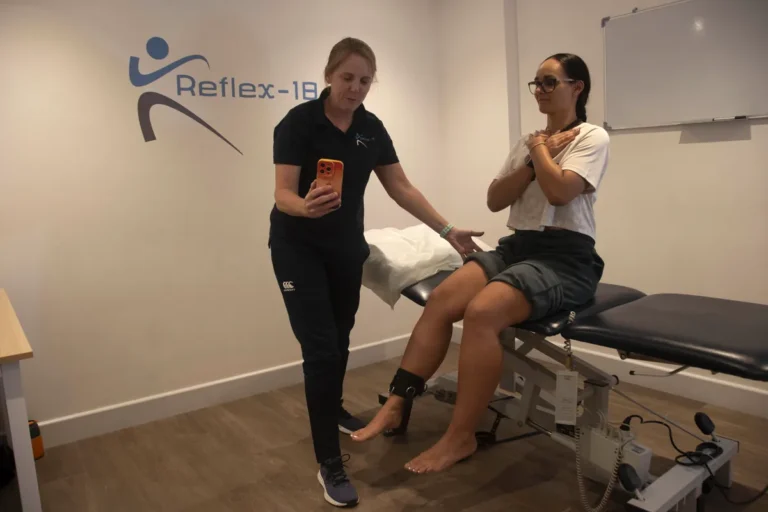
Movement assessment
Functional testing
Progress tracking
Assess relevant shoulder strength and identify differences that may matter to your rehabilitation.
Look at how your shoulder moves during tasks such as reaching, lifting, pressing or sport-specific positions.
Assess your ability to perform activities that matter to you, from daily tasks to gym training or sport.
Re-measure the things that matter so you can see how you’re improving and know when you’re ready for the next step.

PATIENT STORY
Connor’s story: back to a pain-free 95kg press
Problem
Measured
Plan
Result
Shoulder pain had stopped Connor pressing heavily. We explored which positions hurt, his training load and his goal of returning to maximum-strength lifting.
Dynamometer testing found a 31% left-sided internal-rotation strength deficit. Movement and resisted tests helped us monitor his shoulder’s response.
Rehabilitation built shoulder strength and load tolerance. Pressing technique and grip were adapted, then loads progressed while rebuilding confidence.
Connor matched his 95kg press personal best without pain—back to the lifting that mattered to him.
“I managed to match my PB press of 95kg, pain free, which wouldn’t have been possible without Josh’s help.”
Connor Hynes
What to expect
Your first appointment
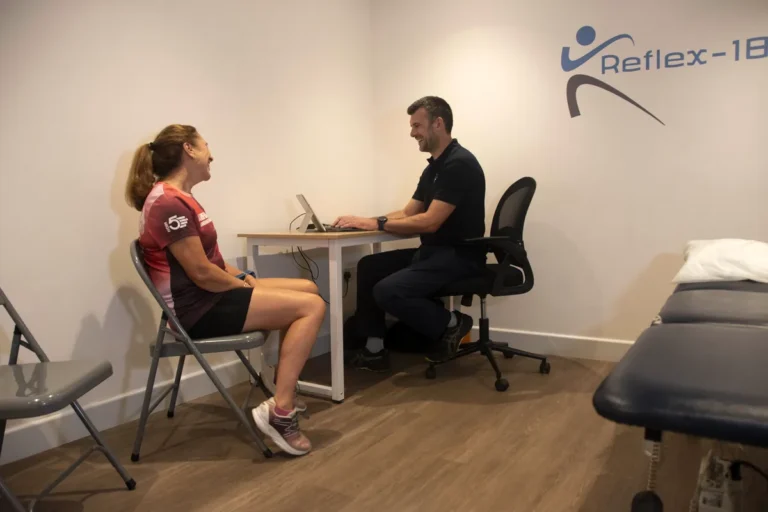
We listen, assess and establish what you want to achieve.
Your plan
We’ll explain what we’ve found and agree what happens next.
Your rehabilitation
Treatment, progressive exercise and re-measurement as you improve.
Frequently asked questions
Shoulder pain can have many causes. Symptoms may relate to muscles or tendons around the shoulder, joint stiffness, irritation after a change in activity, or pain following an injury. Your assessment helps us understand what is most relevant to your symptoms.
Physiotherapy can help with many shoulder problems. Treatment depends on what we find during your assessment but commonly includes advice, progressive exercise and rehabilitation designed around the movements and activities you want to return to.
Not necessarily. Many shoulder problems can be assessed from your symptoms and a physical examination. If imaging would provide useful additional information, we’ll explain why and discuss the appropriate next step.
Often you can continue some form of exercise, although it may be useful to temporarily modify painful movements or loading. We’ll help you understand what your shoulder currently tolerates and how to progressively build back up.
We’ll discuss your symptoms, how they’re affecting you and what you want to achieve. Your physiotherapist will then assess the relevant areas and, where useful, measure movement, strength or functional capacity. We’ll explain our findings and agree the next steps with you.
There isn’t one timeframe for every shoulder problem. It depends on the cause of your symptoms, how long you’ve had them, your current capacity and what you’re trying to return to. After assessing you, we’ll give you a clearer idea of what your rehabilitation is likely to involve.
Related shoulder pain support in Colchester
Shoulder pain sometimes needs a combination of assessment, rehabilitation, imaging or treatment for tendon and joint irritation.