
Shoulder Instability: Why Your Shoulder Feels Loose (And What To Do About It)
Shoulders are a naturally unstable joint – it has to be this way so that it can give you the range of movement that you need (unlike the hip which is very stable as that’s what’s required from it). At our clinic in Colchester we see a lot of people complaining that their shoulder feels like it may slip out when throwing, keeps popping out at the gym or that it clicks, catches or feels weak doing general day to day stuff.
Often these people have looked online or seen someone and been told it’s their rotator cuff. While it is very true that one of the painful structures may be the rotator cuff – often the instability element is missed. This is particularly true for people under 30 and active individuals, where the cuff is unlikely to be the underlying cause of the pain, but more a symptomatic structure. This is where rotator cuff exercises, or pure strengthening will only get you so far. If something is unstable then it needs to be taught to be stable. This is when physiotherapy comes in.
What is shoulder instability?
The shoulder is an inherently unstable joint, it’s function is to put the hand in the place so we can manipulate objects. It therefore sacrifices STABILITY for MOBILITY. Shoulder instability is when the ball is not staying centred in the socket, and can be due to a traumatic event or atraumatic.
The most extreme shoulder instability is seen following dislocation, and this, in a small number of people can cause a change to the bones and soft tissues of the shoulder, making it less stable. However, it can be due to a muscle patterning issue which causes difficulties keeping the ball in the right place with movement.
Common Symptoms of shoulder instability
- Feeling of looseness or slipping
- Pain on overhead movements
- Clicking or clunking
- Weakness or lack of control
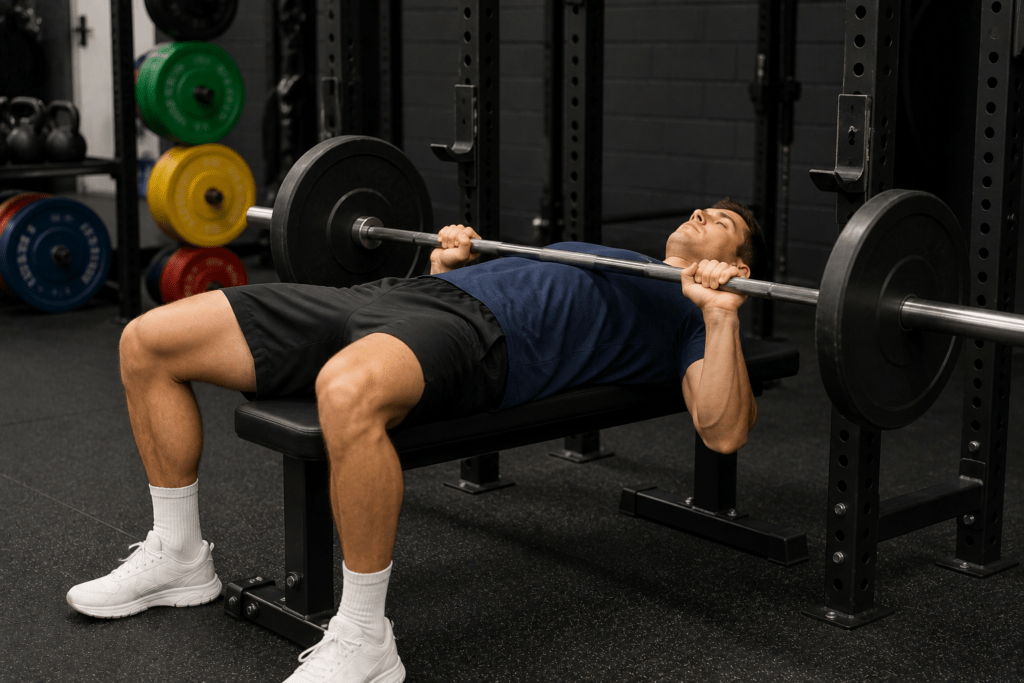
- Fear of certain movements (eg bench press or throwing)
What causes shoulder instability?
Previous Dislocations or Injuries
Falling over and having your arm pulled behind your is often how dislocations of the shoulder are caused. Rugby is a very common sport to see shoulder dislocations when tackling but can occur in football or other sports too.
Repetitive Overhead Activity
In the gym, crossfit or swimming, repetitive overhead movement can tire the shoulder and cause instability as the muscles find it harder to coordinate movement. The stronger the bigger muscles like the pecs and deltoids, the better the smaller muscles need to be at controlling movement too.
Poor Strength and Control
When the smaller postural muscles like the rotator cuff are not strong enough or coordinated enough to deal with the load of exercise the shoulder is being put through, this can cause instability too.
Natural Hypermobility
Some people are naturally hypermobile or ‘double-jointed’. This can put people at risk of instability – but remember for some sports like gymnastics, being hypermobile is important, you just need the control to go with it.
Why shoulder instability often gets worse over time
Over time, shoulder instability can get worse. When something is painful, or an individual is fearful of movement it causes the body to compensate. This then puts load on other structures and creates more pain and fear. With this confidence drops and then movements are avoided – such as shoulder press or bench press in the gym which then leads to general deconditioning.
Do you need surgery for shoulder instability
In most cases no.
If there is a structural reason for your instability or you have had multiple dislocations, then surgery can be helpful.
If however, your issue is a movement or coordination pattern, surgery is unlikely to help and a solid, structured physiotherapy program should be started.
How does physiotherapy help shoulder instability?
At Reflex-18 in Colchester, we start by assessing your shoulder fully, taking some measures and then creating a plan with you.
Rehabilitation is absolutely essential for shoulder instability. You cannot make a shoulder stable with hands on treatments or electrotherapy. So progressive exercises would be prescribed, potentially to strengthen your rotator cuff or address some of the muscles controlling your shoulder blade, but stability training is ESSENTIAL.
Strength alone does not make a shoulder stable – you’ve probably found that by trying to lift heavier weights anyway. Exercises on your hands and knees are often a good place to start to learn where the shoulder is, before progressing to exercises like bottoms up kettlebell press where the weight is really unstable and challenges the shoulder.
Can you still go to the gym with shoulder instability?
Yes – but you may need to modify movements a little.
Perhaps replace the bench press with floor press so you don’t let your elbows drop below your torso, avoid deep dips where your shoulder is forced into extension, and lighten weights or avoid unstable overhead work to begin with.
Keeping the back muscles, biceps, triceps and core muscles strong is important though, so don’t stop the gym – just adapt.
When should you see a physio for shoulder instability?
- If you have just had a dislocation (and it’s already been relocated)
- Repeatedly feeling slipping in the shoulder
- Pain affecting your training or work
Summary
So there you go. Our shoulders are naturally a bit more unstable than other joints – it’s meant to be. But sometimes, when the shoulder is clicking, popping or feeling loose, STABILITY exercises are needed to help the shoulder control itself again – it’s not all about getting stronger in the gym, you need to spend time stabilising the little muscles that support your big prime mover muscles.
Give us a shout if your stuck and want a physiotherapist in Colchester to have a look and help you make a plan.