
Recovering from surgery can feel overwhelming, especially if you’re unsure what’s normal, what’s safe, and what could slow your progress. Whether you’ve had orthopaedic surgery, joint replacement, or a soft-tissue procedure, post-operative physiotherapy plays a crucial role in your recovery timeline.
The surgeon does their part, but then it’s down to you to get the most out of the procedure you have had. And like with many things, the foundations you lay in the initial weeks after surgery either set you up for success, or create an unstable base, making outcomes less predictable.
If you’re preparing for surgery or have recently had one in Colchester, this guide explains what to expect, when to start physio, and how structured rehabilitation helps you heal faster and reduce complications. We have also attached a link to our free post op physio guide at the bottom.
Why Post-Operative Physiotherapy Matters
After surgery, your body needs guided movement—not complete rest—to heal properly. Without rehabilitation, you may experience:
- Joint stiffness
- Muscle weakness
- Reduced mobility
- Scar tissue restriction
- Delayed recovery
Physiotherapy helps restore movement safely, improves circulation, and ensures tissues heal in the correct way. It’s not just about recovery—it’s about regaining strength, function, and confidence.
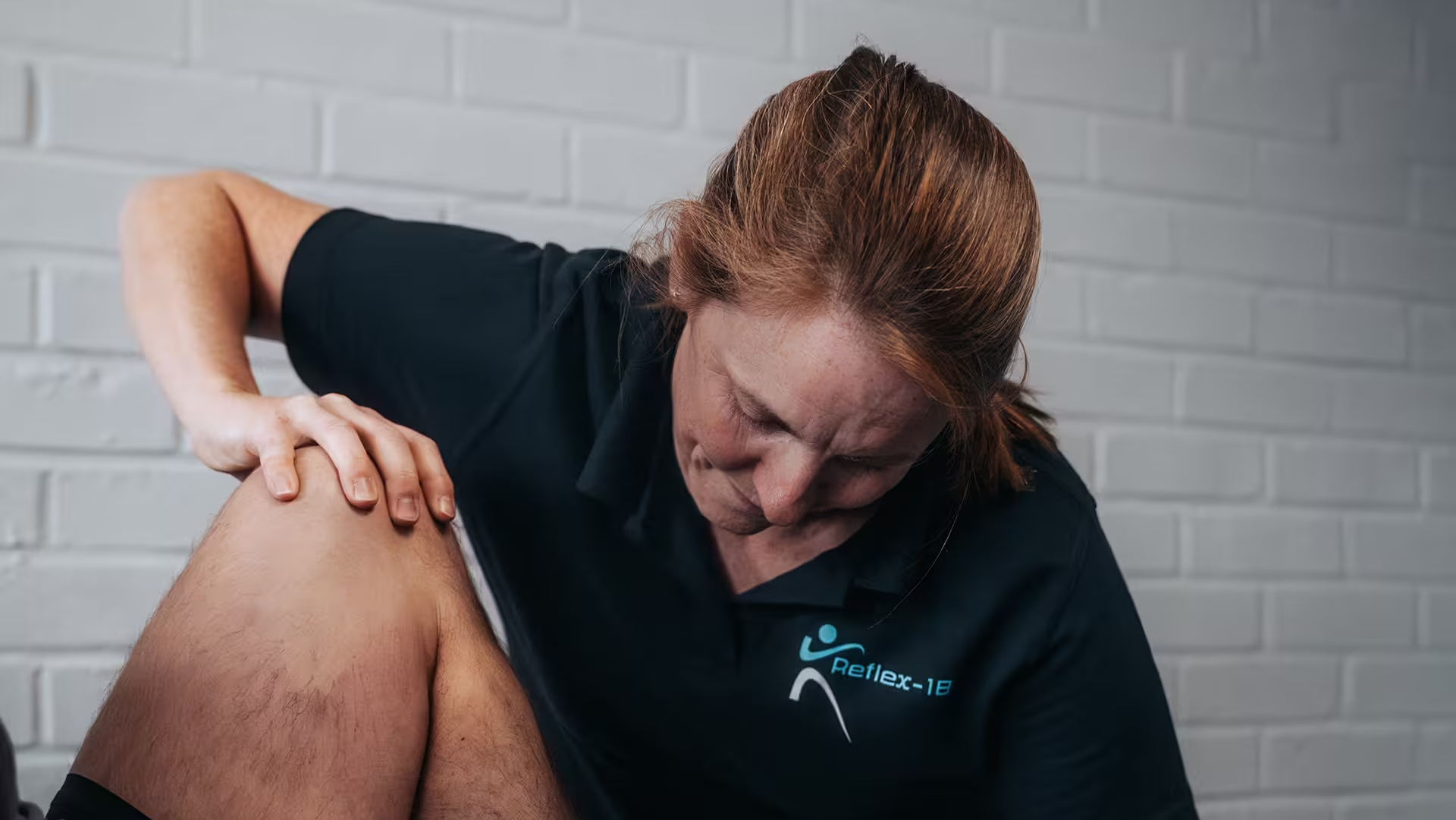
When Should You Start Physiotherapy After Surgery?
In short – as soon as possible. In most cases, physiotherapy should begin as soon as medically safe, sometimes within days of surgery. Early rehab helps:
- Reduce swelling and inflammation
- Improve blood flow for healing
- Prevent stiffness
- Restore normal movement patterns
Your physiotherapist will tailor treatment based on your surgery type, pain levels, and surgeon’s guidelines.
What Happens at Your First Post-Op Physio Appointment?
Your initial session focuses on assessment and planning. This typically includes:
- Reviewing your surgical procedure and medical notes
- Checking swelling, mobility, and strength
- Assessing walking pattern or posture
- Setting realistic recovery goals
You’ll leave with a clear rehabilitation plan, including exercises, activity advice, and timelines so you know exactly what to expect.
Benefits of Structured Rehabilitation
A personalised physiotherapy program provides more than just exercises. It helps:
- Restore strength safely
- Prevent compensatory injuries
- Improve flexibility and joint range
- Reduce scar tissue tightness
- Support long-term function
Patients who follow structured rehab programs often recover faster and regain better function than those who try to manage recovery alone.
Common Mistakes That Slow Post-Surgery Recovery
Many people unintentionally delay healing by:
- Resting too much
- Returning to activity too quickly
- Skipping rehabilitation exercises
- Ignoring pain signals
- Using incorrect movement patterns
Guidance from a physiotherapist ensures you progress at the right pace—not too fast, not too slow.
Download Your Post-Operative Recovery Guide
o help you recover safely at home, we’ve created a detailed Post-Operative Physiotherapy Guide PDF you can download and keep.
Inside the guide:
- Safe movement tips
- Recovery timelines
- Exercise guidance
- Red flag symptoms to watch for
- Expert recovery advice
Post-Operative Physiotherapy FAQs
How long does post-surgery rehab take?
Recovery varies depending on your procedure, health, and goals. Minor procedures may need a few weeks, while joint surgeries can require several months of structured rehab.
Is pain normal during physiotherapy after surgery?
Mild discomfort can be normal, but sharp or worsening pain isn’t. Your physiotherapist will adjust treatment to keep recovery safe and effective.
Can physiotherapy prevent complications after surgery?
Yes. Rehab helps reduce the risk of stiffness, scar restriction, muscle loss, and long-term mobility problems.
Do I still need physio if my surgery was successful?
Yes. Surgery repairs the structure, but physiotherapy restores movement, strength, and function. Both are essential for full recovery.
So, if you are due to have surgery soon, get yourself prepped, know what to expect, and get to see your physiotherapist as soon as you can after.