
Congratulations! Whether you just smashed a PB at the JobServe Community Stadium or completed your first 13.1 miles for the Robin Cancer Trust, your body has just undergone significant physiological stress.
In the physio clinic, we see two types of post-race runners: those who vanish into the sofa for three days (and get incredibly stiff) and those who try to run again tomorrow (and get injured). Here is the “middle ground” recovery plan backed by sports science.
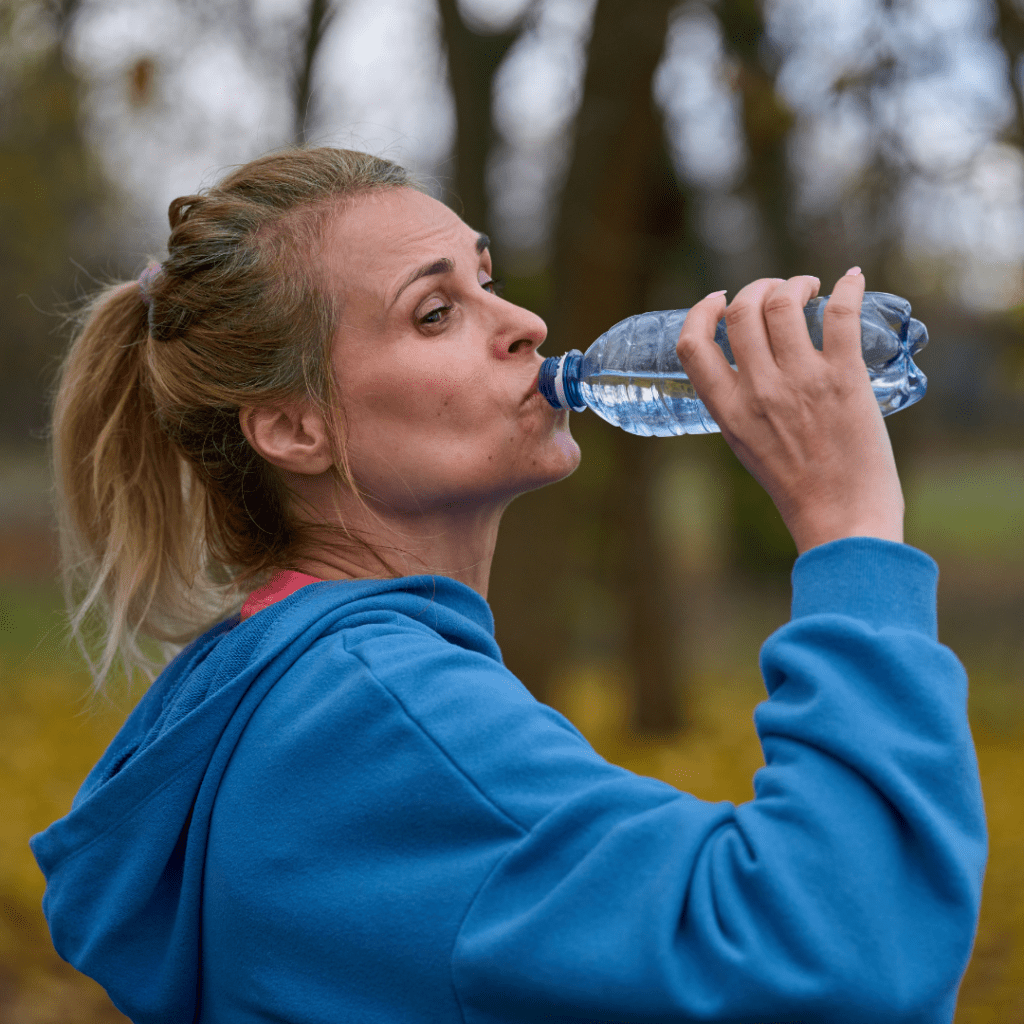
Phase 1: The First 2 Hours (The “Golden Window”)
Recovery starts the second you cross the finish line.
Keep Moving: Research published in the Journal of Strength and Conditioning Research suggests that active recovery (light walking) is up to 40% more effective at clearing blood lactate than sitting down immediately. Walk for at least 10–15 minutes before finding your family.
The 3:1 Refuel Rule: Your glycogen stores are depleted. Aim for a snack with a 3:1 ratio of carbohydrates to protein within 30 minutes.
Example: A banana and a protein shake, or a chicken sandwich.
Rehydrate by Weight: Drink roughly 1.2 to 1.5 litres of fluid for every kilogram of body weight lost during the race. Don’t just drink water; include electrolytes to prevent cramping.
Phase 2: The First 24 Hours (Inflammation Management)
This is when DOMS (Delayed Onset Muscle Soreness) begins to set in.
Temperature Therapy: While the “ice bath” debate continues, a 2022 systematic review suggests that cold water immersion or even a cool bath can significantly reduce perceived muscle soreness and inflammation in the first 24 hours.
The “Feet Up” Trick: Elevate your legs above your heart for 15 minutes. This helps assist venous return and reduces the “heavy leg” feeling caused by fluid pooling in the lower extremities.
Sleep is the Superpower: Most tissue repair happens during REM sleep. Aim for 8–9 hours tonight. Your body’s growth hormone production peaks during deep sleep—this is your best “natural healer.”
Phase 3: 24 to 48 Hours (Active Recovery)
Monday and Tuesday are the “danger zones” where stiffness peaks.
1. The “Shake-out” Walk
Avoid the temptation to run. Instead, go for a 20-minute gentle walk or a very low-resistance spin on a stationary bike. The goal is blood flow, not fitness. Increased circulation delivers fresh oxygen and nutrients to the micro-tears in your muscle fibres.
2. Gentle Mobility (No “Deep” Stretching)
Your muscles are currently damaged and sensitive. Avoid aggressive, “deep” static stretching, which can actually worsen micro-tears. Focus on dynamic mobility:
- Leg swings
- Gentle cat-cow stretches
- Foam rolling (keep it light—don’t go “hunting” for pain)
3. Protein Distribution
Research suggests that muscle protein synthesis is optimized when you consume 20–30g of protein every 3–4 hours, rather than one giant meal. Keep the “building blocks” coming in steadily throughout the day.
When Should You Book a Physio?
Normal soreness feels like a dull ache in the “meat” of the muscle (quads, calves, glutes). However, you should see us if you experience:
- Sharp, localized pain that prevents you from walking normally.
- Joint swelling (especially in the knee or ankle).
- Night pain that keeps you awake.
Are you feeling a “niggle” that isn’t going away? We specialize in getting runners back on the road. Book a post-race assessment this week to ensure your recovery is on track.