
Hip pain stopping you doing what you love?
Hip pain and injuries in Colchester
Whether your hip pain has gradually built up, started after an injury or has been limiting you for months, we’ll help you understand what’s going on and what you can do about it.

HIP PAIN AND INJURIES
Common hip problems we help with
You don’t need to know the name of your condition before you see us. We’ll start by understanding your symptoms and how they’re affecting you, then assess what may be contributing to the problem.
- Hip osteoarthritis
- Gluteal tendinopathy
- Greater trochanteric pain
- Hip impingement
- Hip flexor problems
- Groin pain
- Running-related hip pain
- Other hip problems
Not sure what's causing your pain?
You don’t need to diagnose yourself. Tell us what’s happening and we’ll help you work out the right place to start.
IS HIP PAIN GETTING IN YOUR WAY?
Do any of these sound familiar?
Pain when walking or running
Pain during gym or sport
Pain with everyday movement
Persistent or recurring hip pain
MEASURE WHAT MATTERS
Understanding what's limiting your hip
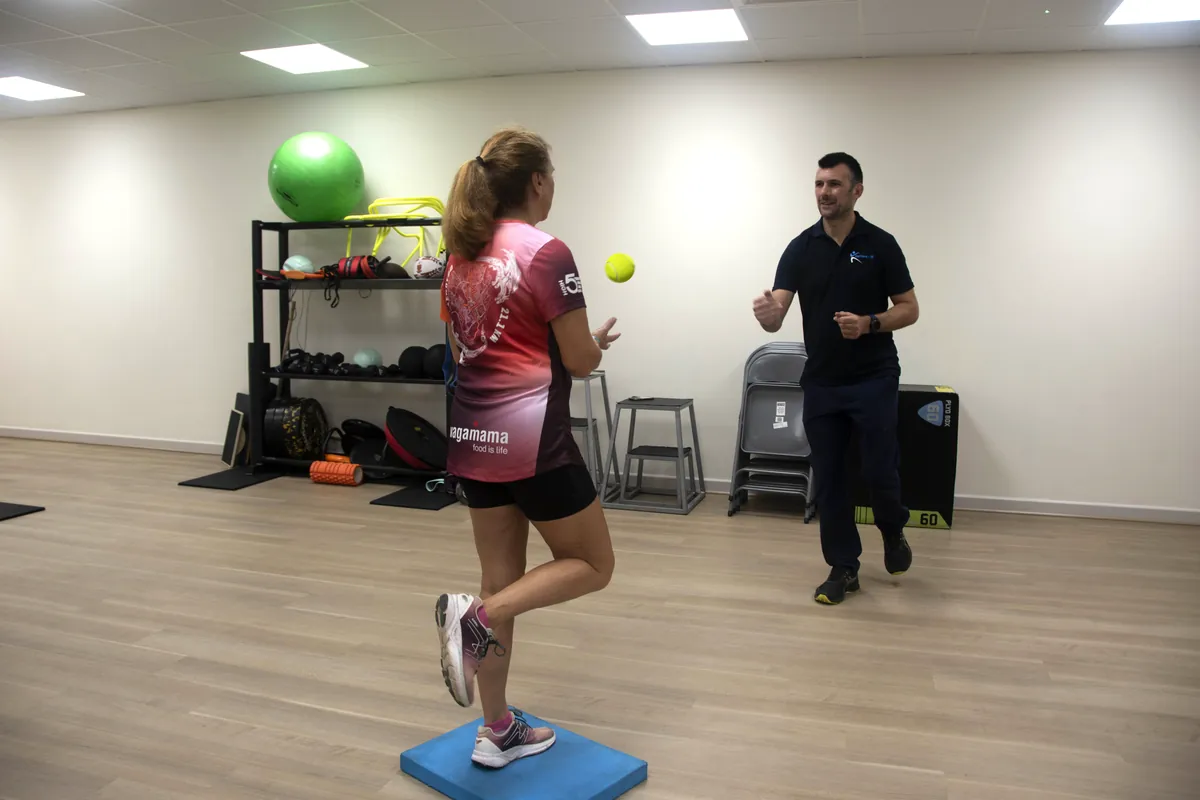
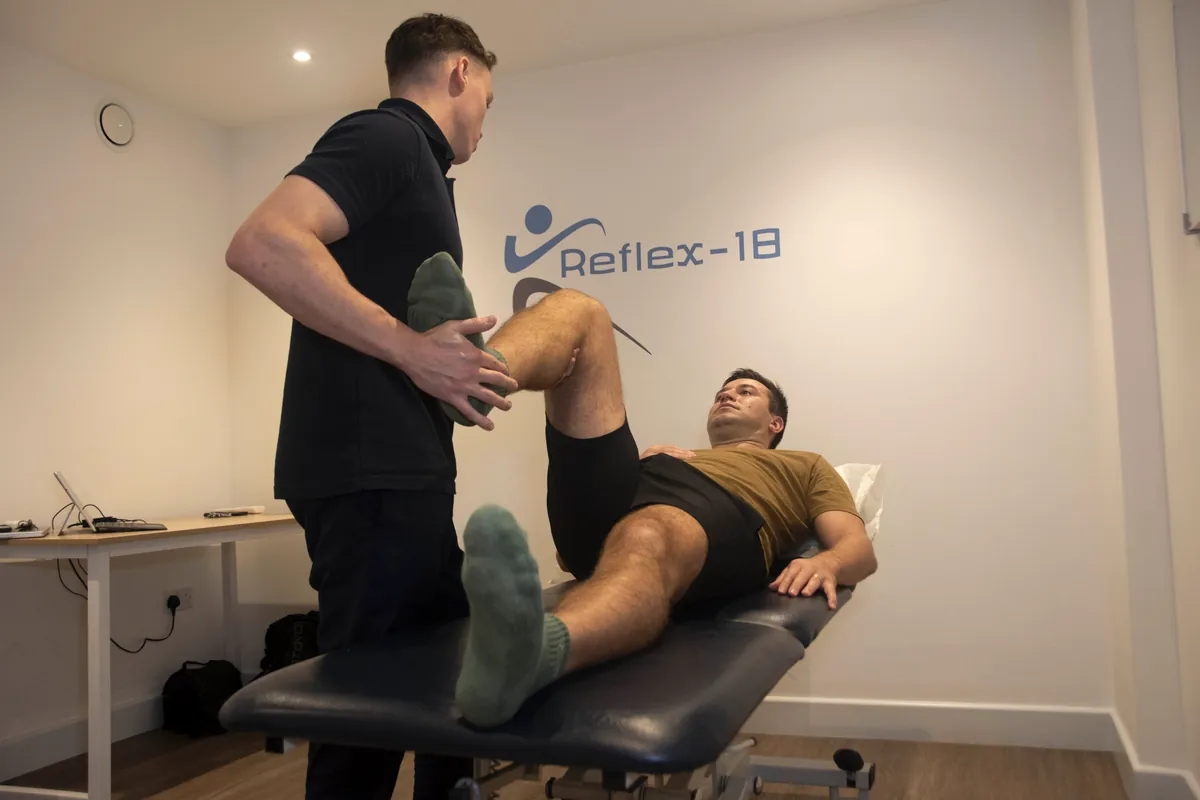
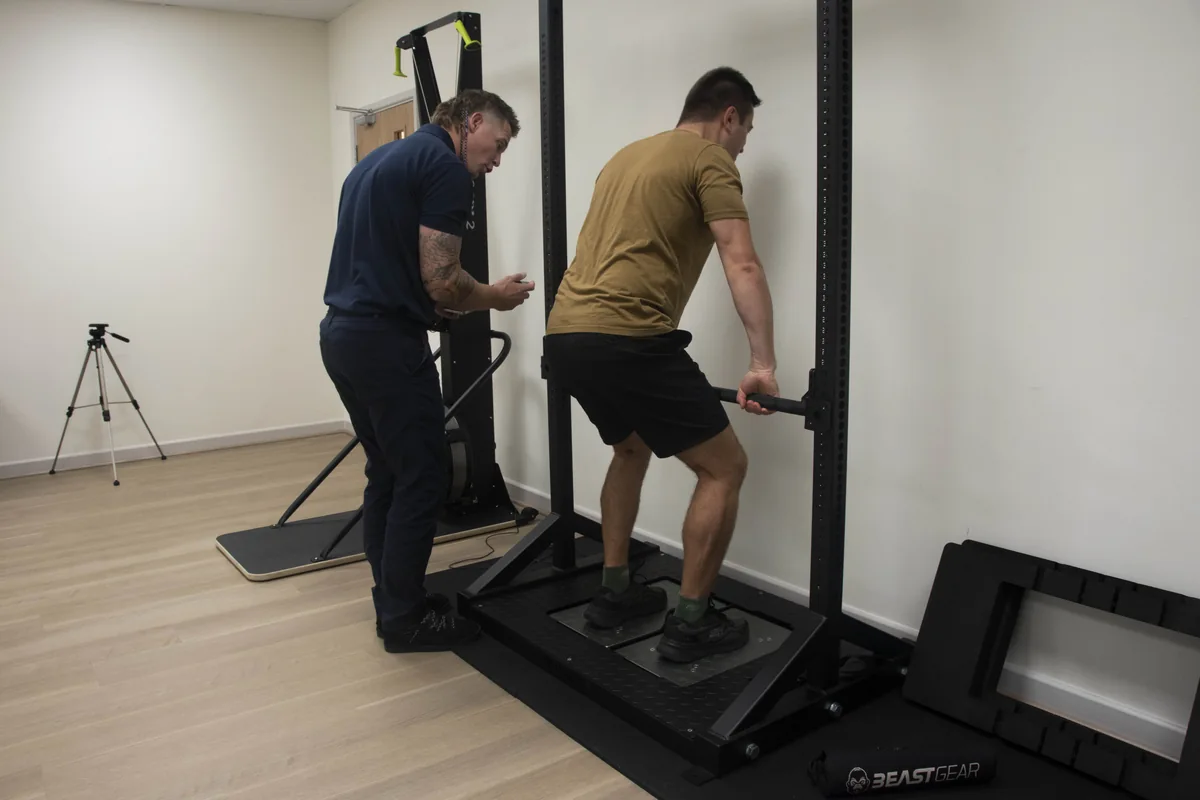
Hip pain isn’t always just about the painful area. We’ll assess the things that are relevant to you and your goals, which may include hip movement, strength, balance and how you perform important movements or activities.
YOUR REHABILITATION
Build your hip back for what you want to do.
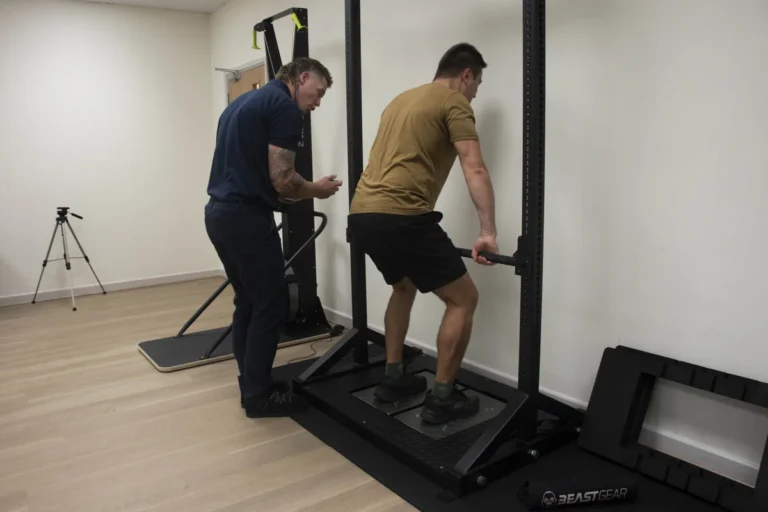
Strength testing
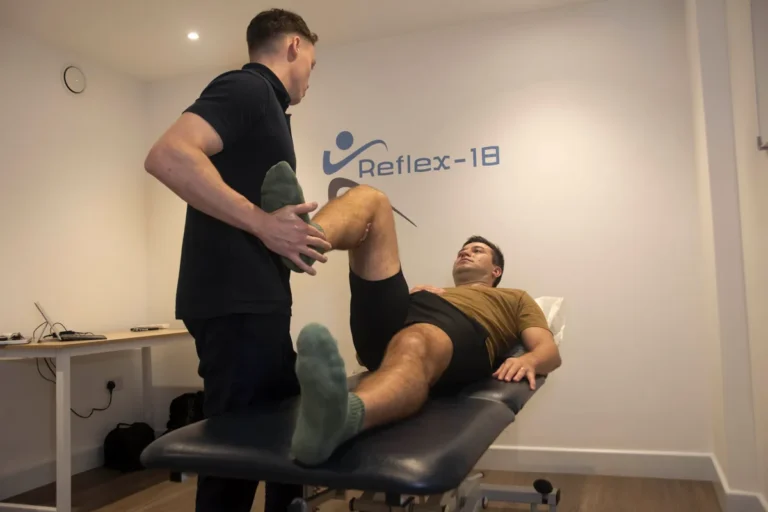
Movement assessment
Functional testing
Progress tracking
Objectively measure relevant muscle strength and identify differences that may matter to your rehabilitation.
Look at how you move during tasks that are relevant to your symptoms and goals.
Assess your ability to perform activities such as squatting, stepping, running or sport-specific movements where appropriate.
Re-measure the things that matter so you can see how you’re improving and know when you’re ready for the next step.

PATIENT STORY
Luella’s story: from hip surgery to her first 5K
Problem
Measured
Plan
Result
After hip surgery and a labral repair, Luella needed support to walk. We explored her recovery, activity history and what she wanted to become capable of.
Strength checks and force-plate jump and hop testing helped us compare her legs and track strength, power and control.
Her rehabilitation progressed from rebuilding strength to running, jumping and hopping, with the programme adapted as her capacity improved.
Luella completed her first 5K—an achievement she had not imagined when she started rehabilitation.
“When I started seeing James after hip surgery, I couldn’t walk unaided. My hip had stopped me being particularly active before surgery and I have never been a runner. I can’t quite believe I ran a 5K on Saturday!”
Luella Brunning
What to expect
Your first appointment
We listen, assess and establish what you want to achieve.
Your plan
We’ll explain what we’ve found and agree what happens next.
Your rehabilitation
Treatment, progressive exercise and re-measurement as you improve.
Frequently asked questions
Hip pain can have many causes and doesn’t always mean there is a serious problem with the joint. Symptoms may relate to the joint itself, muscles or tendons around the hip, or sometimes another area such as the lower back. Your assessment helps us understand what is most relevant to your symptoms.
Physiotherapy can help with many hip problems. Treatment depends on what we find during your assessment but commonly includes advice, progressive exercise and rehabilitation designed around the activities you want to return to.
Not necessarily. Many hip problems can be assessed from your symptoms and a physical examination. If imaging would provide useful additional information, we’ll explain why and discuss the appropriate next step.
Often you can continue some form of activity, although it may be useful to temporarily modify what you’re doing. We’ll help you understand what your hip currently tolerates and how to progressively build your activity back up.
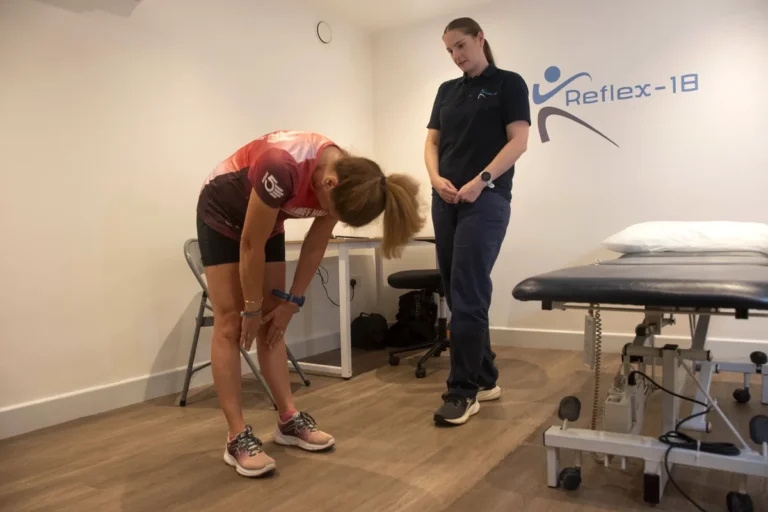
We’ll discuss your symptoms, how they’re affecting you and what you want to achieve. Your physiotherapist will then assess the relevant areas and, where useful, objectively measure things such as movement, strength or functional capacity. We’ll explain our findings and agree the next steps with you.
There isn’t one timeframe for every hip problem. It depends on the cause of your symptoms, how long you’ve had them, your current capacity and what you’re trying to return to. After assessing you, we’ll give you a clearer idea of what your rehabilitation is likely to involve.
Related hip pain support in Colchester
Hip pain often links with back, knee, strength or walking and running mechanics, so these pages may help you choose the right route.