Ultrasound Imaging

ULTRASOUND IMAGING IN COLCHESTER

Ultrasound Imaging in Colchester

Looking for ultrasound imaging in Colchester? Our musculoskeletal ultrasound service provides real-time imaging of muscles, tendons, ligaments, joints and other soft tissues to help us better understand what may be contributing to your symptoms.
Your scan is interpreted alongside your symptoms and clinical assessment, helping you understand what we’ve found and what to do next.

Google reviews

IS ULTRASOUND IMAGING RIGHT FOR ME?

A clearer look at what may be contributing to your symptoms.

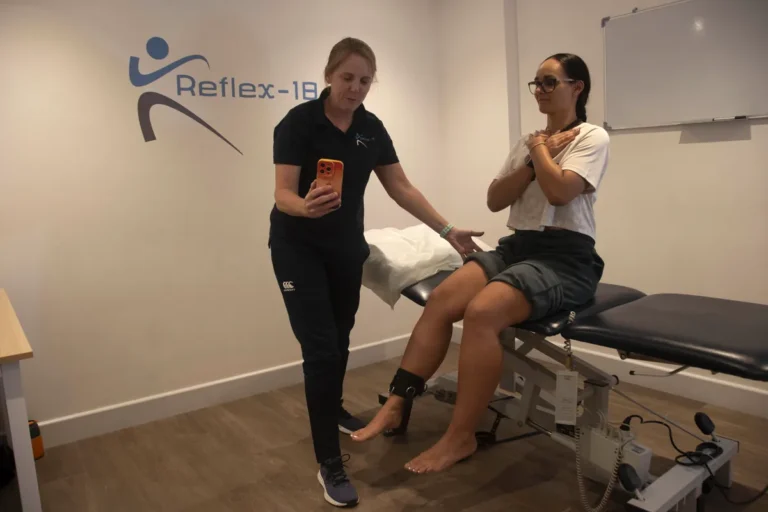
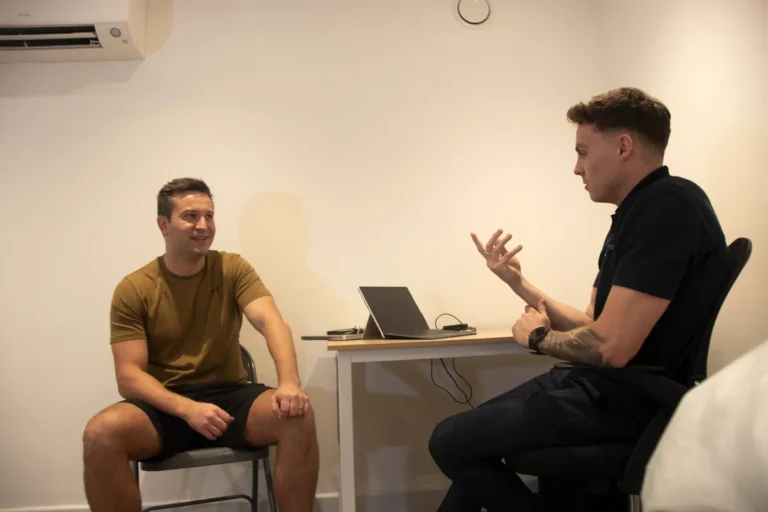
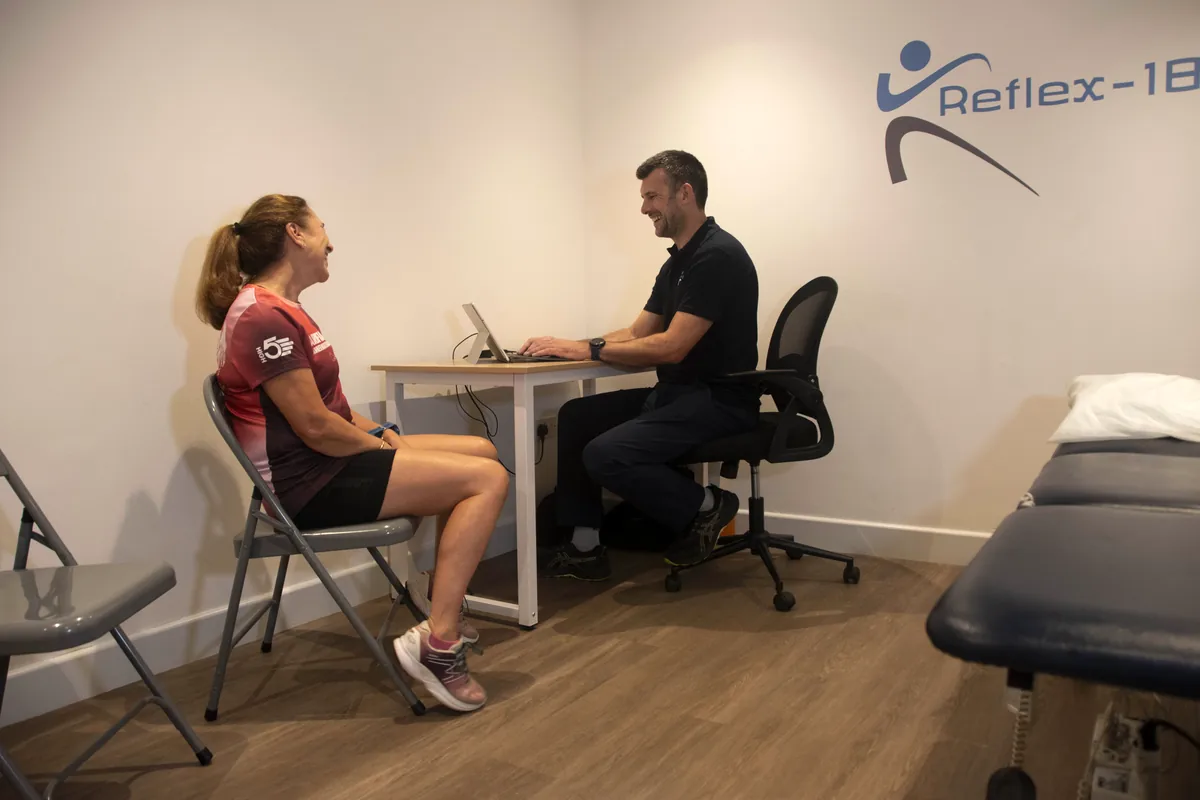
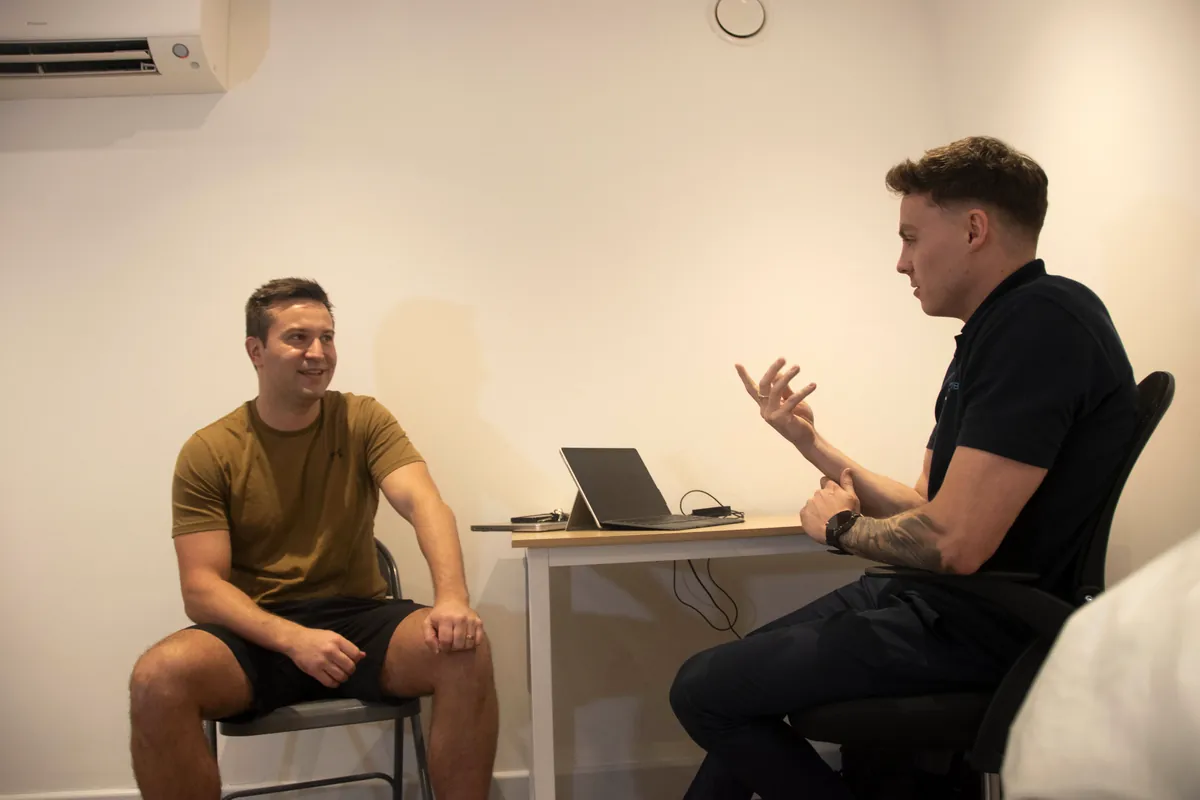
A physiotherapist discussing a patient’s goals at Reflex-18

Persistent pain

Get more information about an area that continues to cause symptoms.

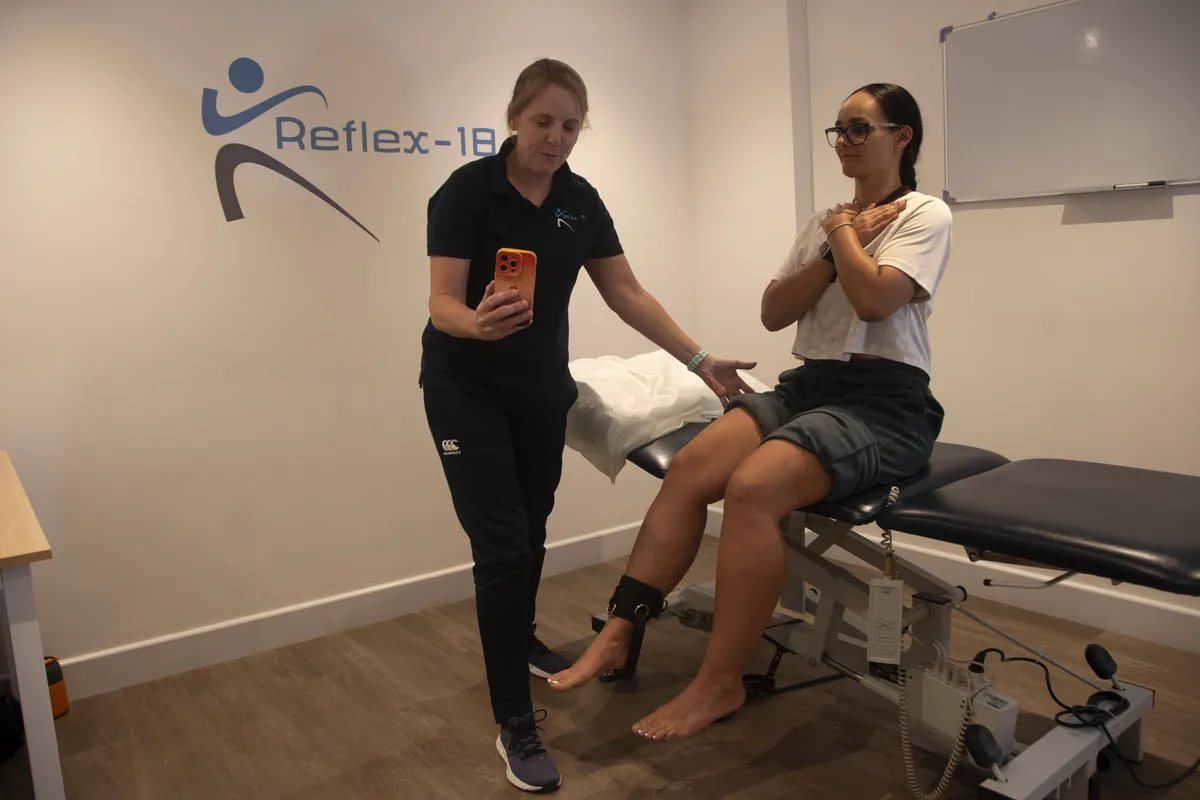
A physiotherapist explaining a home exercise to a patient

Sports injuries

Assess muscles, tendons, ligaments and joints following injury.

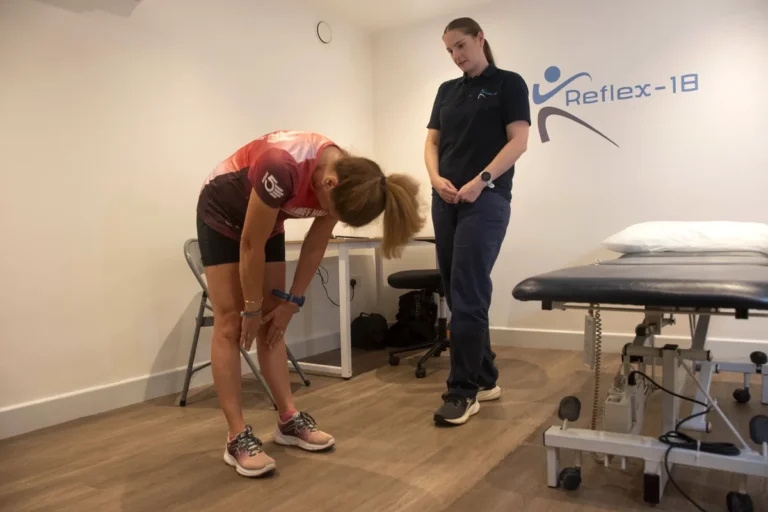
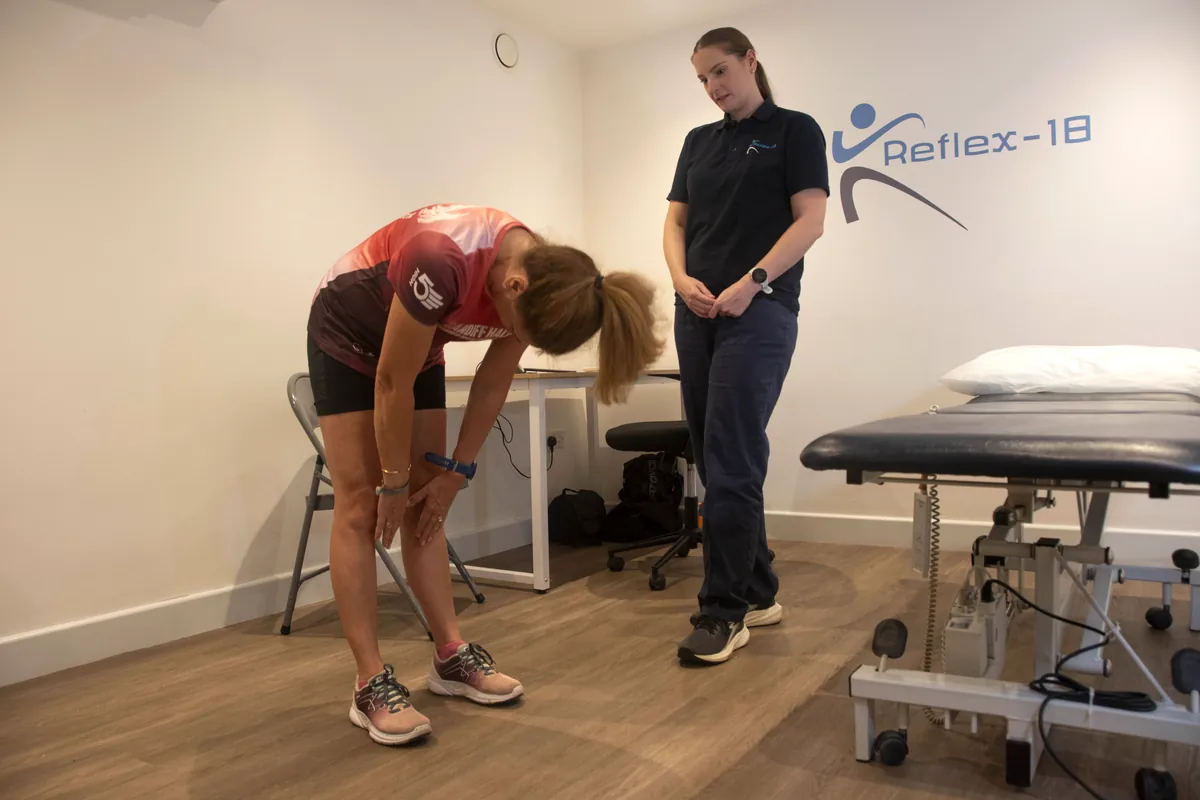
A physiotherapist assessing a patient’s movement

Tendon problems

Assess tendon structure and investigate persistent tendon symptoms.

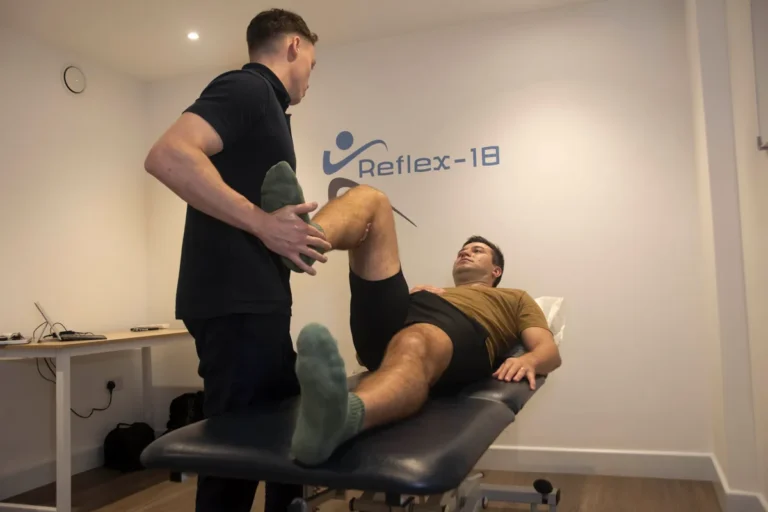
A physiotherapist assessing hip and knee movement

Swelling & joint problems

Investigate swelling, bursae, joints and surrounding soft tissues.

WHAT CAN WE HELP WITH?
Tendons
Muscles
Ligaments
Bursae
Joints
Sports Injuries
Soft tissues
Shoulder
Elbow
And more
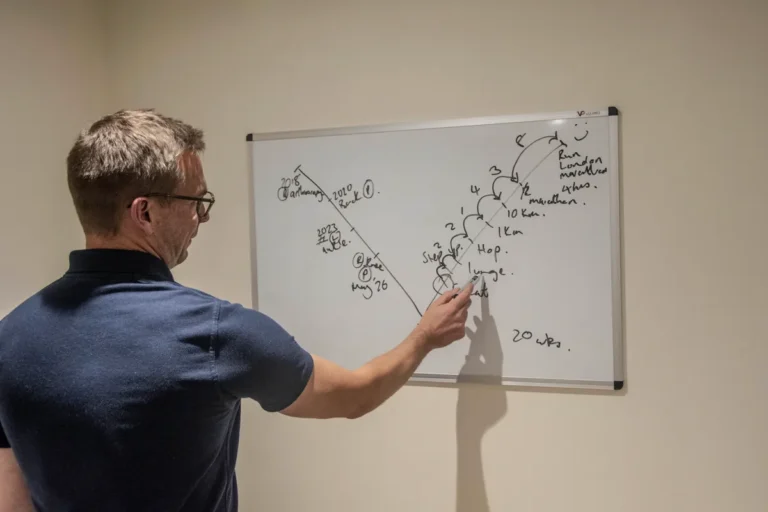
A physiotherapist explaining a rehabilitation plan on a whiteboard

Understand

We start with your patient journey assessment – understanding your problem, how it affects you and what you want to achieve.

A physiotherapist assessing a patient’s movement

Measure

We assess the things that matter to your recovery, giving us objective measures where you are now and where we need to work.

A physiotherapist explaining a home exercise to a patient

Treat

We build your treatment and rehabilitation around what we’ve found rather than following a generic protocol.

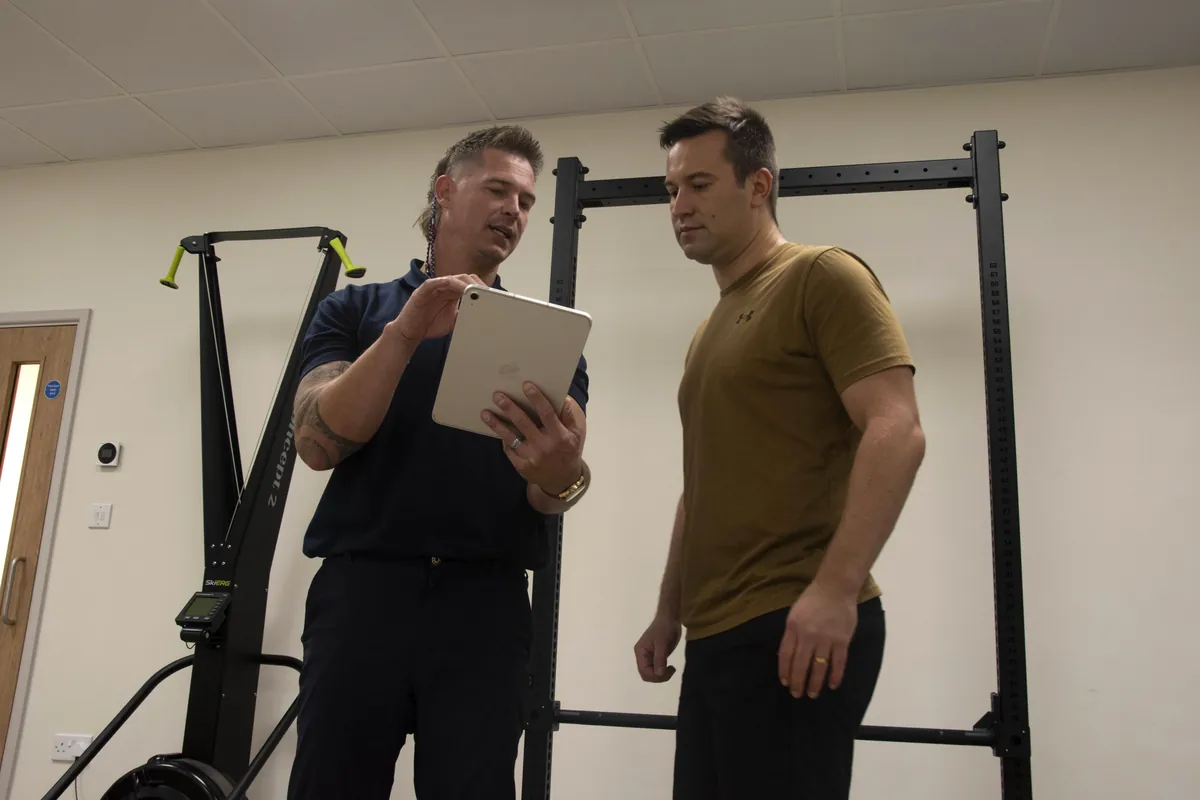
A clinician and patient reviewing assessment results on a tablet

Re-Measure

We repeat the relevant measures as you progress, so we know whether treatment is having the effect we want – and adjust when it isn’t.

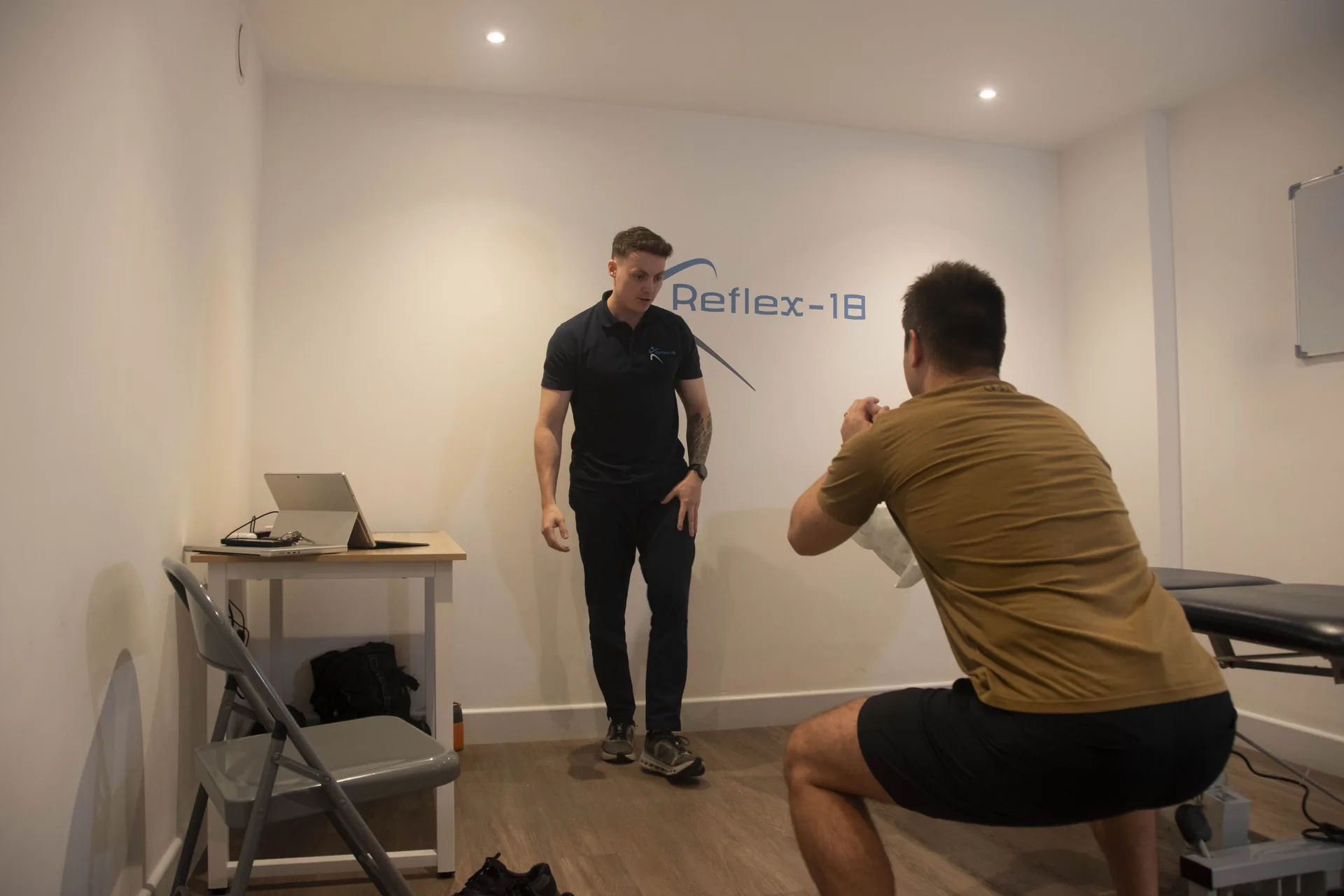
A physiotherapist assessing a patient’s squat movement

Progress

The goal isn’t simply to settle your symptoms. It’s to get you back to what matters to you – with the capacity and confidence to move beyond where you were before the injury. 

See what's happening beneath the surface.

Musculoskeletal ultrasound imaging allows us to examine muscles, tendons, ligaments, joints and other soft tissues in real time.

One of the advantages of ultrasound is the ability to assess some structures dynamically while you move. This can provide additional information alongside your clinical assessment and help build a clearer picture of your problem. 

Your scan isn’t considered in isolation. We interpret the findings alongside your symptoms, history and clinical assessment to help determine the most appropriate next step.

A clinician discussing a treatment plan with a patient
Real Time Imaging

Detailed imaging of muscles, tendons, joints and other soft tissues.

A physiotherapist discussing a patient’s goals at Reflex-18
Dynamic Assessment

Where appropriate, structures can be assessed while you move.

A clinician and patient reviewing assessment results on a tablet
Clinical Context

Imaging findings are considered alongside your symptoms and clinical assessment.

A clinician discussing a treatment plan with a patient
EXPERT DIAGNOSTIC IMAGING

A scan is only useful when it makes sense in context.

Scan findings don’t always tell the whole story. That’s why your ultrasound imaging at Reflex-18 is considered alongside your symptoms, clinical assessment and what you’re trying to get back to.
We’ll explain what we can see, what the findings may mean for you and what the appropriate next steps are.
Where appropriate, your results can help inform physiotherapy and rehabilitation, further investigation, referral or decisions around other treatment options.

EXPERT DIAGNOSTIC IMAGING

Your ultrasound imaging clinician.

Neil Liffen
Neil Liffen

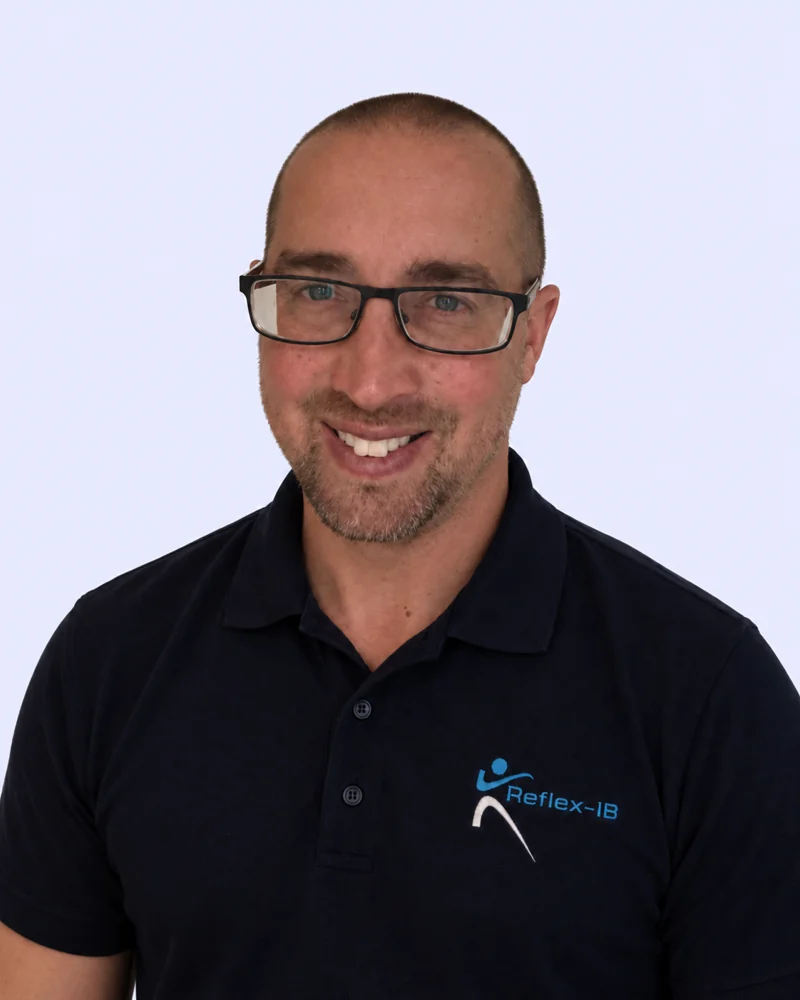
Ultrasound imaging at Reflex-18 is delivered by Neil Liffen of East Coast Physio. Neil is an experienced musculoskeletal clinician with specialist expertise in diagnostic ultrasound imaging and sports injury assessment. He combines imaging with clinical assessment so your scan findings can be understood in the context of your symptoms and the activities that matter to you.

What to expect

Your first appointment

We listen, assess and establish what you want to achieve.

Your plan

We’ll explain what we’ve found and agree what happens next.

Your rehabilitation

Treatment, progressive exercise and re-measurement as you improve. 

Frequently asked questions

Musculoskeletal ultrasound is a diagnostic imaging technique used to examine muscles, tendons, ligaments, joints and other soft tissues in real time. It uses sound waves to create images of the structures being assessed.

Musculoskeletal ultrasound can be useful when assessing a range of problems involving muscles, tendons, ligaments, joints and other soft tissues.
This can include tendon problems, muscle injuries, bursitis, swelling and problems affecting areas such as the shoulder, elbow, wrist and hand, hip, knee, foot and ankle.

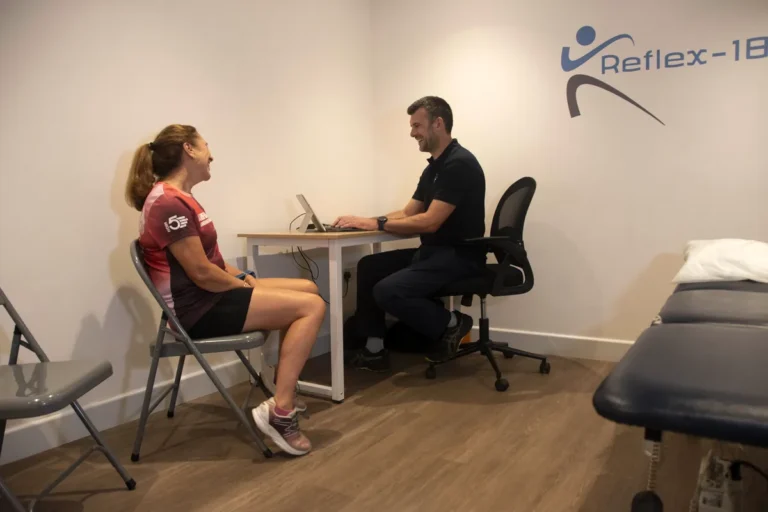
The scan itself is generally non-invasive and doesn’t use radiation. The clinician will move an ultrasound probe over the area being assessed. If the area is already sensitive, you may experience some discomfort from pressure or movement during parts of the assessment.

You can contact Reflex-18 directly about an ultrasound imaging appointment. If you’re unsure whether ultrasound is the appropriate investigation for your problem, we can help determine the most suitable next step.

Your appointment starts with a discussion about your symptoms, history and what you’re struggling to do.
You’ll then have a targeted clinical assessment and ultrasound scan of the relevant area. Your findings will be explained to you and discussed in the context of your symptoms before the appropriate next steps are considered.

The time required depends on the area being assessed and the complexity of your problem. Your appointment includes more than simply taking an image — time is also needed to understand your symptoms, assess the area and explain the findings.

Your clinician will explain the findings and what they mean in the context of your problem. Depending on what is found, the next step may include treatment and rehabilitation, further investigation, referral or another appropriate management option.

Ready to get back doing what you love?